
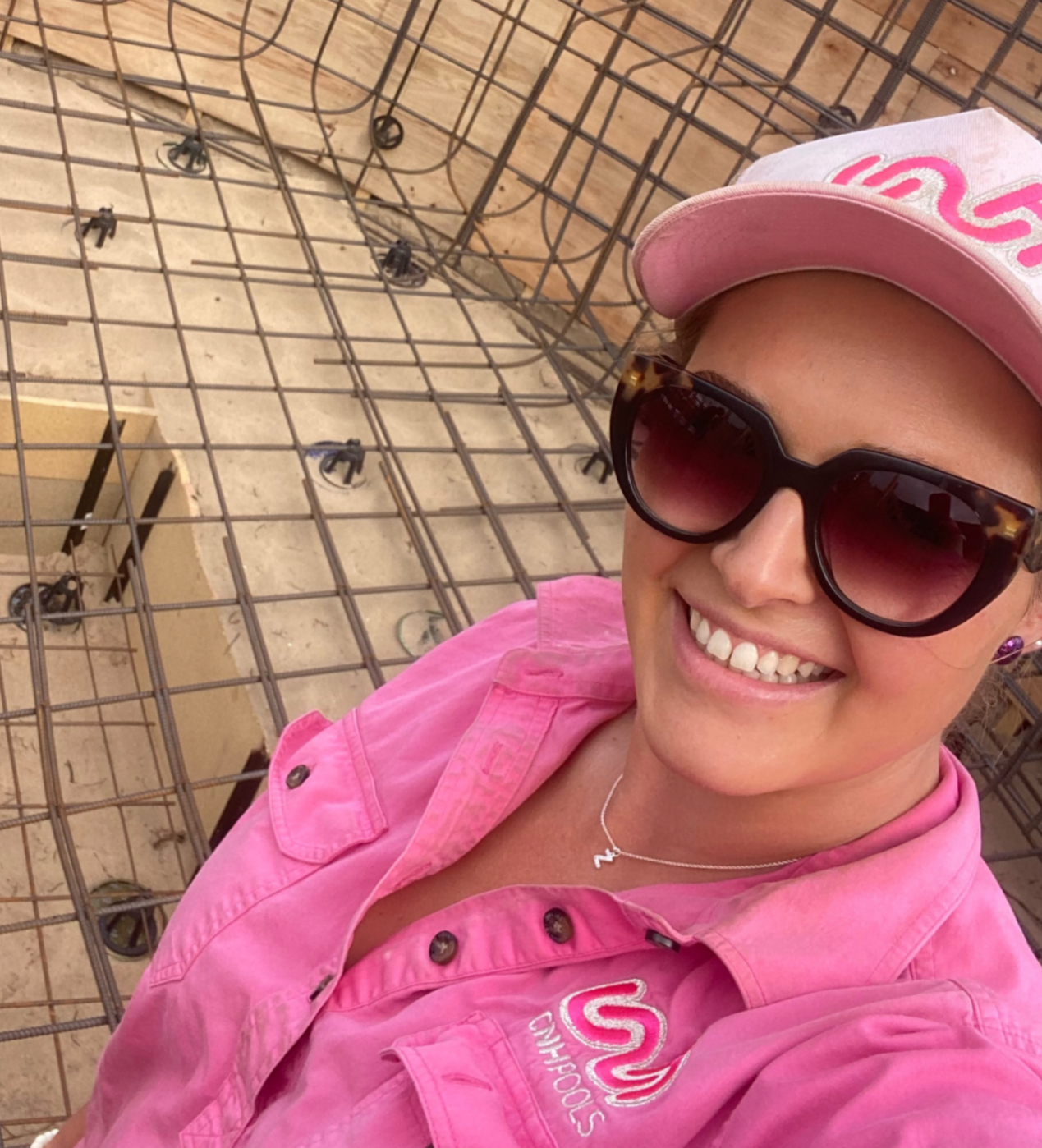
Starting Out
Ready to go out on your own?
You know your trade. Now let's get the business side sorted.
Starting your own trade business is exciting, but there's a bit to get your head around.
ABNs, licences, insurance, quoting, getting paid — and that's before you've even picked up your tools.
We've put together a free, practical guide to help Australian Tradie Ladies get started with confidence.
Everything you need to get started
Our Starting Out Guide walks you through 11 essential steps, including:
Setting up and registering your business
Understanding licences and insurance
Managing your money and start-up costs
Working out what to charge
Finding customers and building your reputation
Getting your business ready to grow
You'll also find practical checklists, worksheets, helpful Pink Tips and links to official Australian resources.
Your trade. Your business. Your way.
You don't need to have everything figured out on day one. You just need to know where to start and what needs to happen next.
DOWNLOAD YOUR FREE STARTING OUT GUIDE
Free PDF | No membership required
Looking for more?
The Pink Toolbox is packed with free practical resources to help Tradie Ladies build their skills, confidence and businesses.
FAQs
Where do I start?
1
Download our free PDF and start with Step 1: check whether you are legally allowed to advertise, quote and contract for the work you want to offer.
It is much easier to build the business properly once you know exactly what your licence or registration allows you to do.
I am qualified in my trade. Do I still need a contractor licence?
2
Possibly.
A trade qualification shows that you have been trained to perform the work. A contractor licence or registration may be required before you can advertise, provide quotes, sign contracts or take responsibility for jobs yourself.
The rules depend on your trade, the type and value of the work, and the state or territory where you operate. Check through ABLIS and confirm the answer with your state or territory regulator.
Do I need everything sorted before I start?
3
You don’t need a fancy website, branded work shirts or a perfect Instagram feed before you begin.
You do need the important foundations in place before taking paid work. This includes the correct licence or registration, business structure, ABN, insurance, banking, bookkeeping and customer documents.
Should I start as a sole trader or company?
4
There is no single answer that suits every tradie lady.
A sole trader setup is generally simpler and less expensive to establish. A company is a separate legal entity, costs more to run and comes with additional responsibilities.
The right choice can depend on your level of risk, expected income, employees, business partners, finance and plans for growth. Read the business structure information on business.gov.au and speak with an accountant before deciding.
Do I need an accountant before I start?
5
You can complete many registrations yourself, but getting advice early can prevent expensive mistakes.
An accountant can help you choose a suitable business structure, understand your tax obligations, set up your bookkeeping and work out what you need to put aside from each payment.
Look for someone who understands trade businesses—not just someone who promises to save you tax.
Does registering a business name mean I own it?
6
No.
Registering a business name allows you to trade under that name. It does not give you ownership of the name or automatically protect it as a trade mark.
Before committing to a name, check the ASIC registers, search for similar businesses online and check the IP Australia Trade Mark Search.
Do I need a business name?
7
Not always.
If you are a sole trader operating under your exact personal name, you may not need to register a separate business name. If you trade under another name, you will generally need to register it.
Check your situation through the Australian Government Business Registration Service.
When do I need to register for GST?
9
Most businesses need to register once their GST turnover reaches the current registration threshold.
Turnover means the total income the business earns before expenses are deducted—not the amount you take home.
Read the current requirements on the ATO website or check with your accountant.
Is it free to get an ABN?
8
Yes. Applying for an ABN through the official Australian Business Register is free.
Be careful of third-party websites that charge a fee to submit the application for you.
What insurance does a trade business need?
10
It depends on the work you perform, where you work, whether you employ anyone and what your licence requires.
Common policies can include public liability, tools and equipment, commercial vehicle, personal accident or income protection, professional indemnity and workers compensation.
Tell the insurer exactly what work you do. Do not assume a general policy automatically covers every service you plan to offer.
You can learn more through the business.gov.au insurance guide.
Can I use my personal bank account?
11
Keeping business and personal money separate makes bookkeeping, tax time and understanding your actual profit much easier.
A company must have its own bank account. Even when you are starting as a sole trader, opening a separate account for business income and expenses is a smart move.
How do I know what to charge?
12
Your price needs to cover more than your time on the tools.
Allow for materials, travel, quoting, administration, insurance, licences, software, tools, vehicle costs, tax, super, leave and the time you cannot invoice to a customer.
Do not base your price only on what another tradie charges. Their costs, experience and business may be completely different from yours.
Can I start the business while I am still employed?
13
Possibly, but check your employment contract first.
Look for rules covering secondary employment, conflicts of interest, customer contact, confidential information, tools, vehicles and working for yourself outside your normal hours.
Never use your employer’s customer list, materials, equipment, systems or work time without clear permission.
What if I plan to use subcontractors?
14
Using a subcontractor does not automatically remove your responsibilities.
You still need to check that they have the correct licence, insurance and business registrations. You also need a written agreement explaining the work, price, payment arrangements and responsibilities.
The difference between an employee and a genuine subcontractor is not decided simply by giving someone an ABN. Check the current worker rules with the ATO.
Is this guide legal, accounting or financial advice?
16
No. This resource provides general business information to help you understand the steps involved in starting out.
Your requirements will depend on your trade, location, business structure and circumstances. Always confirm important decisions with the relevant government regulator and appropriately qualified legal, accounting, insurance or financial professionals.
What if I am not ready to take paying customers yet?
15
That is okay. Finding a gap now is far better than finding it after accepting a job.
Go back to the step that is not complete, contact the relevant regulator or adviser and sort it out before moving forward. Starting properly is more important than starting quickly.
About This Resource
This resource has been developed by The Feel Co as part of its partnership with Pink Tradie Ladie for SupportHER on Site.
It has been created to make the business side of going out on your own easier to understand, with practical steps, useful links and general information for tradie ladies starting their first business.
A Pink Tradie Ladie SupportHER on Site resource developed in partnership with The Feel Co.

Important Information and Disclaimer
This resource provides general information only. It does not provide legal, accounting, taxation, financial, insurance, licensing, employment or other professional advice and should not be relied upon as a substitute for advice relating to your individual circumstances.
Business, licensing and registration requirements vary according to your trade, location, business structure and the work you perform. Laws, fees, thresholds, government processes and website information can also change. You are responsible for checking that the information you rely on is current, accurate and applicable to your circumstances before making a decision, entering into an agreement or starting work.
Always confirm your requirements directly with the relevant government authority, regulator or suitably qualified professional.
Links to external websites are provided for convenience only. Pink Tradie Ladie, SupportHER on Site and The Feel Co do not control, endorse or accept responsibility for the accuracy, availability or content of third-party websites.
To the maximum extent permitted by law, Pink Tradie Ladie, SupportHER on Site, The Feel Co and their owners, directors, employees, contractors and contributors make no representations or warranties about the completeness, accuracy, reliability or suitability of this resource and accept no liability for any loss, damage, cost or consequence arising from its use, reliance upon it or inability to access it.
You remain responsible for your business decisions, registrations, licences, insurance, contracts, tax obligations and compliance with all applicable laws.
Nothing in this disclaimer excludes, restricts or modifies any right, guarantee or liability that cannot lawfully be excluded under Australian law.
Last reviewed: October 2026.